In short
- July to October for dry salt driving
- November to May for flooded mirror photography
- Summer temperatures regularly exceed 100°F (38°C)
In this article
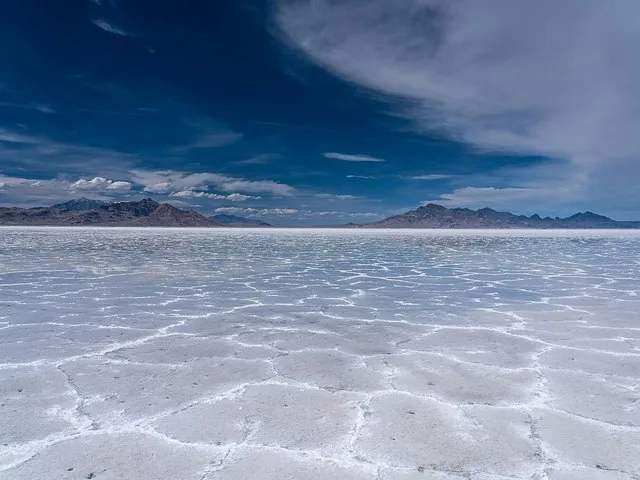
The Bonneville Salt Flats are open year-round, but the environment shifts dramatically. You can drive on the hard crust during the dry summer months. In winter and spring, shallow water covers the salt to create a massive natural mirror.
When is the best time for driving on the salt flats?
Late summer and early fall are the best times to drive on the crust.
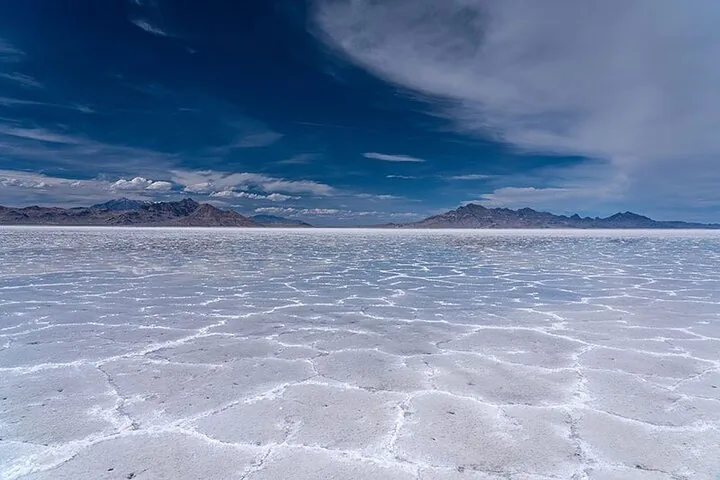
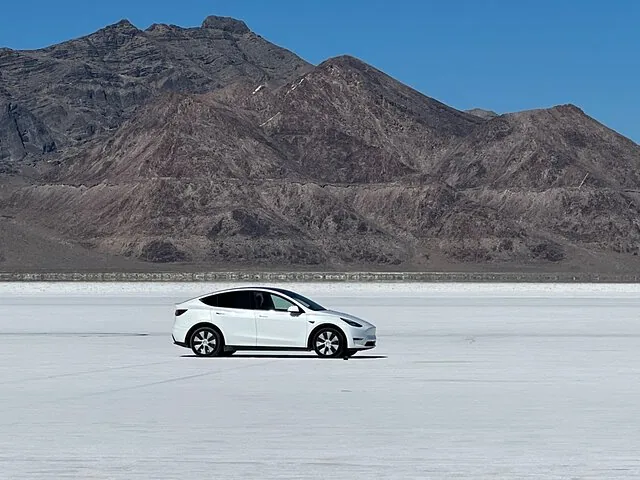
From July through October, the salt crust is typically dry and hard. This makes it safe for vehicles. Temperatures often exceed 100°F (38°C) during the peak summer months. Bring at least 1 gallon of water per person.
When is the best time for reflection photography?
Winter and spring offer the best conditions for mirror-like photos.
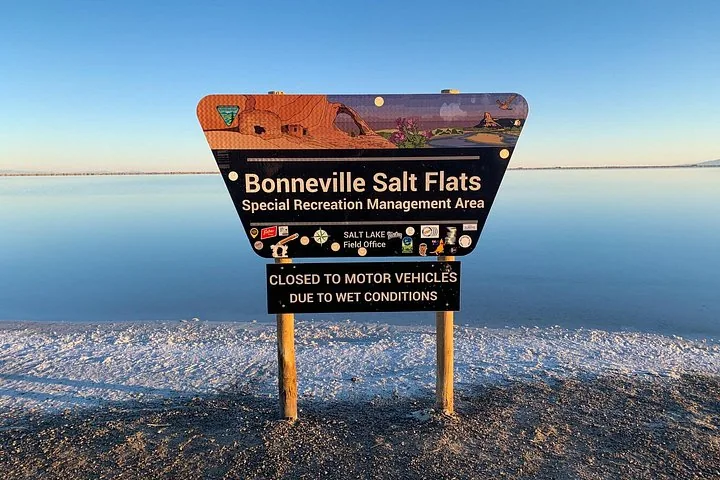
Between November and May, a thin layer of water usually floods the salt flats. This creates a highly reflective surface. Driving on the salt is strictly prohibited when it is wet or flooded. Winter temperatures frequently drop below freezing.
When do racing events happen?
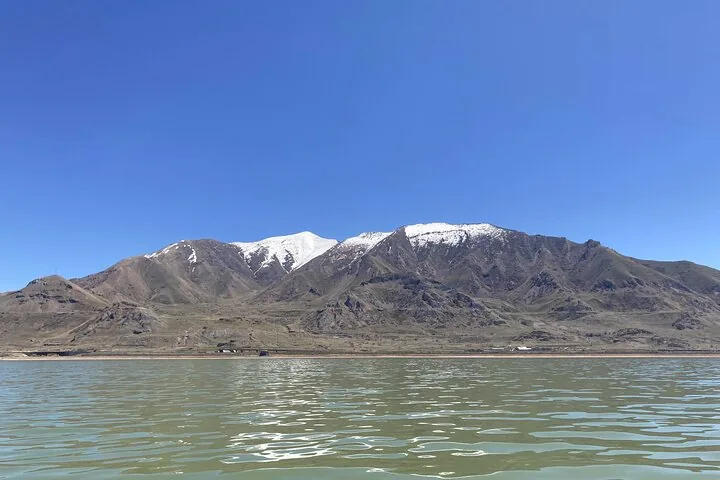
Land speed racing events occur during the dry late summer and fall.
Events like Speed Week require completely dry salt. During these permitted events, general public access is restricted to designated spectator areas. Check the Bureau of Land Management schedule before you plan your trip.
What time of day is best to visit?
Morning and late afternoon offer the best lighting for photography.
Midday visits in summer expose you to intense heat and extreme glare. Polarized sunglasses and wide-brimmed hats are essential. If you visit in the morning during winter, dress in warm layers.
Questions travellers ask
Why is there water on the Bonneville Salt Flats?
Rain and snow melt flood the flats during winter and spring. The water cannot drain through the dense salt crust, creating a shallow lake.
Can you drive on the Bonneville Salt Flats when they are wet?
No. Driving on the salt flats is strictly prohibited when they are wet or flooded. Vehicles can sink into the mud.
Is the salt flat open in the winter?
Yes, the area is open year-round. However, you can only access the edges on foot during the flooded winter months.